
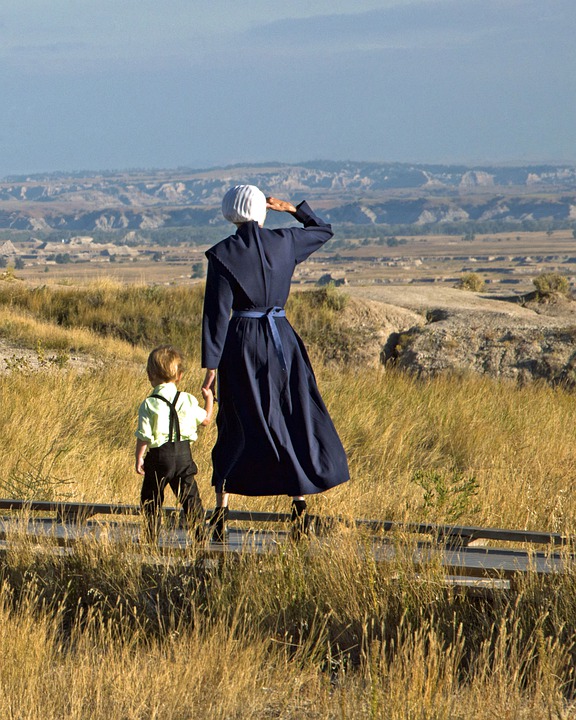
I don’t think I had heard of this book by Miriam Toews until my book club elected to discuss it. It’s very short, and the audiobook was readily available from my library, so I downloaded it right away and listened to it while making Christmas cookies.
The book is fictional, but apparently it’s based on real events: between 2005 and 2009, eight men in a Bolivian Mennonite colony raped many of the women and girls in their community. They snuck into their homes while they were asleep and used a cow anesthetic to make sure they didn’t wake up while they were being assaulted.
After the Author’s Note, which gives a brief explanation of the inspiration for the book, the novel starts off by describing how these women would wake up in the mornings groggy, bruised and sore and in pain, and yet have no idea why. At first the men say it is demons punishing the women for their sins. When some of the women get pregnant or infected with STDs, the men claim the women are making it all up to cover their extramarital (or in some cases, premarital) affairs.
Since the men of the colony are useless, one of the women decides the only way to find out the truth is if she stays awake all night to see for herself. Sure enough, she sees a man breaking in.
The man is interrogated and admits to having worked with seven other men, and he gives up their names. When one of the victims of these men attacks one of the men, the bishop of the community decides to imprison the men for their own safety. Then he and the other men of the community set about raising enough money to pay to bail the men out of jail and bring them back home, at which point the women will have the opportunity to forgive the men so everyone can go to heaven.
The women organize a meeting in a barn owned by an old man with dementia, so they don’t have to worry about him asking questions, or even noticing they’re there. The rest of the men of the colony are in the city trying to get the rapists out of jail so they can bring them home, so the women only have one night to reach a decision.
All the women of the colony are forbidden from learning to read and write, but they want a record of their meeting anyway, so one of them, Ona Friesen, asks a man she trusts, August Epp, to take the minutes of the meeting for them.
August and his parents were excommunicated from the colony when he was a kid for some trumped up charges. The real reason they were forced to leave was because August’s biological father was the hypocritical bishop of the community. Although August has been allowed to rejoin the community, he has never really fit in, and Ona figures his outcast status makes him less likely to tell the other men of the colony what the women are up to. August also happens to be head over heels in love with Ona, so that helps.
I’m really not a fan of the fact that a book called “Women Talking” is narrated by a man, especially since I listened to the audiobook, which meant I had to physically listen to a man’s voice narrate a story that’s supposed to be about women discussing their solutions to a problem. August never participates in the women’s meeting, except when asked a question. He doesn’t try to tell them what they should do, but he does offer glimpses into the colony’s history through his own perspective. I just feel like there were so many ways to tell this story, and I don’t see how having a man narrate it added anything to it.
The women start the meeting by laying out their options: stay and do nothing, stay and fight, or leave.
There are various arguments for and against each of the options, not least of which is the fact that they don’t know anyone outside their community, they can’t read or write, and they can’t even speak the language of the country they’re in. If they do leave, where can they go where the men won’t eventually find them?
Someone points out that God requires women to obey men, but someone else points out that they don’t actually know if that’s true. Since they haven’t been allowed to learn to read, they can’t read the Bible, which means they rely on men to tell them what’s in the Bible, and men obviously have a motive for telling women it’s their duty to obey men.
When the matter of forgiving their attackers comes up, someone mentions that God requires forgiveness, but someone else points out that lying is a sin. If they can’t truly forgive their attackers, but they say they forgive them, is that a greater sin than refusing to pretend to forgive them?
Finally, someone mentions the fact that God also requires them to live peacefully, and if they cannot commit to living peacefully alongside their attackers, then they have no choice but to leave.
Then it just becomes a matter of which of their family members they can bring with them when they leave. They can bring their children, but not any of the men, which raises the question: at what point is a boy considered a man? Can they bring their 13-year-old sons? 14 year olds? One of the women has a son who’s grown, but mentally challenged, which they decide means he’s not a threat to them, and so he can come with them.
Should they give the men a chance to rejoin them? If so, under what terms? If it involves making promises to the women, how can they believe the men will keep those promises, given the extent to their lies the women have already experienced?
The book ends with them taking off, leaving August behind.
Overall, I thought it was a beautiful portrayal of how hard it can be when the men around you refuse to protect you. You’re forced to take matters in your own hands with very limited means, and doing so often means saying goodbye forever to the only people, the only life you’ve ever known.