
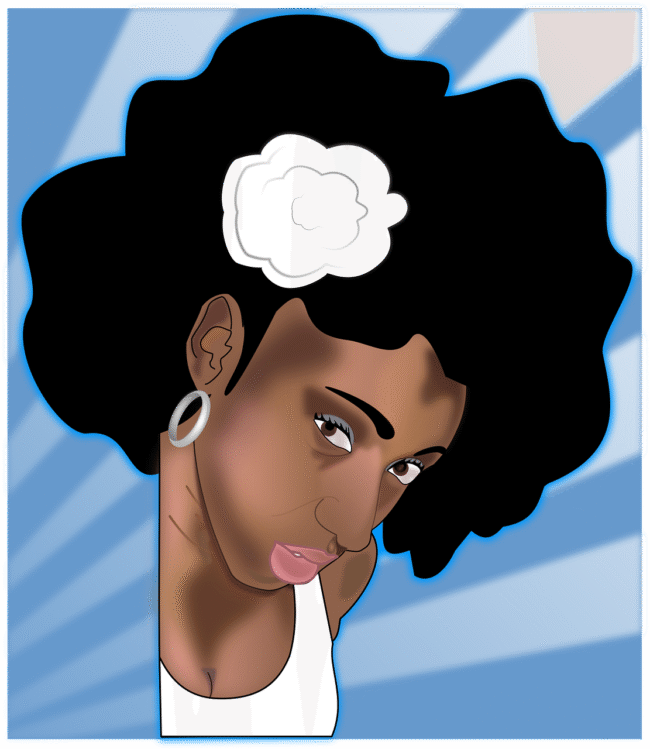
How one girl’s search for an abortion leads to meetings with the most famous musicians and activists of 1960.
Doris Steele is a teenager growing up in rural Georgia. Her mom got sick a few years ago and so Doris had to quit school so she could do all the cooking and cleaning for her family.
Doris always loved reading and writing, and although she doesn’t have time to sit around reading, she jots down witty things she says on any scrap of paper available in case she has use for them later.
When Doris realizes she’s pregnant, I found it hard to believe since she didn’t seem to have time for anything other than housework. Where was she going to find the time to fool around?
Doris never tells us who the father is because it doesn’t matter. What matters is she can’t have this baby without giving up on a future for herself outside of this tiny town.
But if she tells her parents, they’ll force her to have the baby.
And if she goes to any of the local midwives, she risks news getting back to her parents because everyone knows everyone else’s business.
Desperate, she asks her teacher, Mrs. Lucas, for help.
Turns out her teacher has a friend in Atlanta who knows a Black doctor who’s visiting home from France. She even offered to pay.
So after leaving a note for her parents that she’ll be gone a couple of days, and telling her best friend why, even though she knows she can’t keep a secret, Doris and her teacher hop on a train to Atlanta, which might as well be a different world from Doris’s hometown.
In Atlanta Black people have nice houses with multiple rooms that fulfill the same purpose, and cars, and other Black people they hire to do their chores for them.
It turns out Mrs. Lucas’s friend wasn’t entirely honest about having an appointment with a doctor lined up. And she had ulterior motives in luring Mrs. Lucas back to Atlanta.
Because she’s in love with Mrs. Lucas, but hadn’t seen or spoken to her in years. She was afraid if she admitted she didn’t have a doctor they could trust, she would lose what was probably her only chance to see her friend again.
Doris is shocked to find herself surrounded by homosexuals, i. e. Heathens.
She was raised to believe homosexuality is a sin and those who commit are destined to burn for eternity in the fiery pits of hell.
Then again, she was also raised to believe the same of women who have abortions, yet here she is, determined to go home embryoless one way or another.
So she learns to open her mind and realize that homosexuals are people, too. And just like heterosexuals, they just want to be able to love the people they love.
That journey takes her to a meeting of the Black Panthers, a workshop where Civil Rights activists practice not reacting to the abuse they’ll face from white people when they sit at a lunch counter for whites only, and a barbecue where she talks to none other than Coretta and Dr. Martin Luther King.
This book is funny and heartfelt and sad and hopeful. I loved every page!