
I had never heard of this book by Suzette Mayr until my book club elected to read it. Then I had to hunt it down at my local library and found they only had the ebook. I normally like to listen to my book club reads on audio, but I had to make an exception for this one.
It’s good, but it doesn’t have much of a plot. I normally like to know those things going in. Otherwise I’m just sitting there thinking, “When is this going to get interesting?” On the other hand, I tend not to research books I know I’m going to read because I want to go into them completely fresh and unbiased, so that’s on me.
This book is also super short, so even though I only had a couple weeks to read it before my book club met and I don’t have a lot of time to read, I still managed to blow through it with plenty of time to spare.
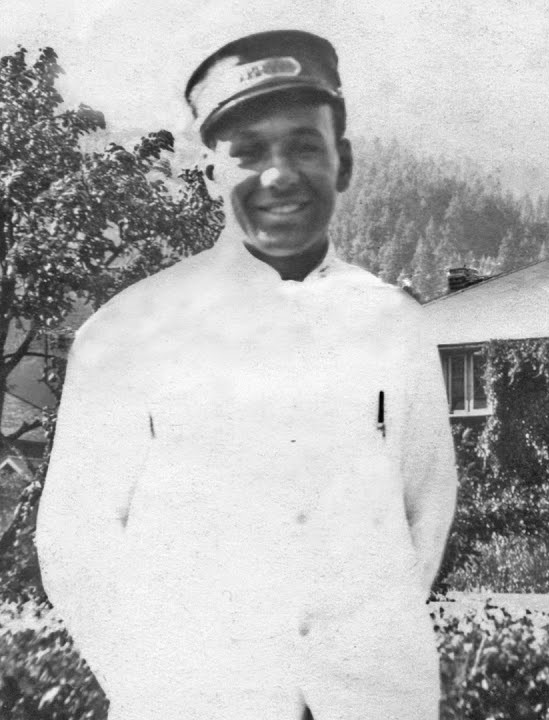
Rather than a plot, it’s more of a vignette of what it might have been like to be a sleeping car porter in Canada in the 1920s. I had heard when I was studying the Great Migration and the Harlem Renaissance in school that car porter was one of the best jobs available to black people at the time. Turns out, just because the pay was decent doesn’t mean the job was easy.
Anyone who has worked in any sort of service industry will recognize a lot of what Baxter (the main character) has to do throughout this book. The customer is always right, no matter how unreasonable they’re being. And sometimes you have to lie to them and pretend to do something about their imaginary problems so they won’t complain about you to their boss. And sometimes they complain about you anyway no matter how hard you try to appease them.
And the passengers know how much power they have over the porters, and many of them are not above abusing that power. Whether it’s sexually assaulting Baxter (I don’t know how the gay men on the train always seem to know Baxter is gay), literally dangling large tips in front of his face before pulling them away, or threatening to talk to his manager before assuring him they come from a long line of abolitionists.
I had not realized how much train porters were expected to do, especially on long multi-day trips. As the title says, Baxter’s domain is the sleeping car, which means, not only does he have to tend to his passengers during the day, he also has to be available at night in case anyone needs help getting down from their bunk to use the restroom in the middle of the night, or they want him to fetch them a glass of water or a nightcap. He has to be available to do it all. He even babysits an orphan for the better part of a week, and doesn’t even get a tip.
All the running around day and night means the poor man is constantly exhausted to the point of hallucinating. It was fitting that I mostly read this book at night right before falling asleep because I was usually pretty tired myself and this book just reinforced that feeling for me. Unlike poor Baxter, I was able to sleep uninterrupted for several hours at a time.
That’s not to say this book is all doom and gloom. Baxter genuinely enjoys spending time with the orphan he temporarily adopts and there are flashbacks to good times he had growing up and in between train runs. It even manages to end on a high note, not least of all because one passenger gave him a ridiculously large tip.