
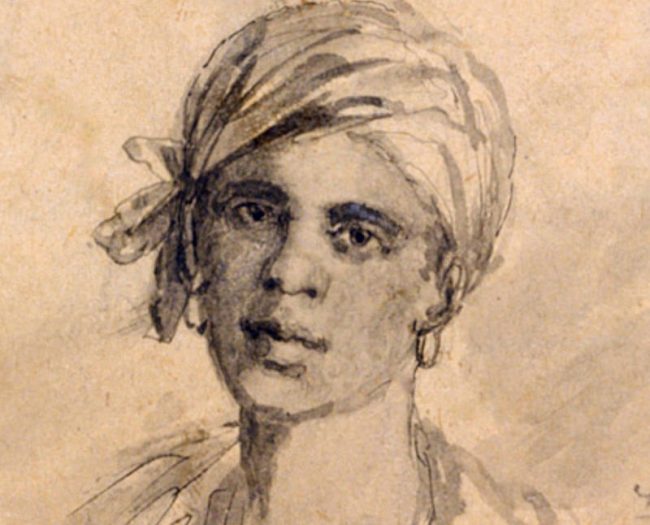
Photo credit: Jim Surkamp via Foter.com / CC BY-NC
Ugh, I hated this book so much!
I don’t feel like that’s fair to the book, though, because I don’t think it was really that bad. It’s just that it wasn’t very good. My book club voted to read it, and if it hadn’t been for that fact, I never would have finished listening to this audiobook. As it was I seriously considered bailing on it anyway and just not going to that particular meeting. I think forcing myself to finish it left me hating it more than I would have otherwise because I became bitter about spending 15 hours of my life listening to something I didn’t care about.
At the end of the day, that was my biggest complaint about this book by Tara Conklin: I just did not care about any of the characters.
The book goes back and forth in time between Josephine Bell, a slave in 1852 Virginia, and Carolina “Lina” Sparrow, a Manhattan attorney in 2004. As you might have guessed from the title, Josephine is a house girl working on a run-down plantation that has seen better days, but they still own her and all her friends so, you know, things could be worse for the Bell family.
Josephine’s mistress, Lu Anne Bell, is sickly and has never succeeded in giving her husband an heir. The poor woman has had 17 miscarriages and stillbirths and now she’s dying of cancer. Josephine is her caretaker, but when Lu Anne’s husband hits Josephine without warning or provocation, that’s the last straw for Josephine. She decides to run away. Apparently she had already decided to run away four years earlier, but was very much pregnant at the time (with her master’s baby) and the family working the nearest stop on the Underground Railroad refused to help her because it was too dangerous.
Some 150 years later, Lina’s law firm has just taken a case from a large corporate client trying to sue the government, among others, for reparations for slavery. Lina is assigned the task of finding currently-living descendants of American slaves who would be willing to act as plaintiffs in the lawsuit. She ends up finding a direct descendent of Josephine Bell, but Josephine was light-skinned to begin with, and through multiple marriages to white people down the generations, the descendant Lina finds looks and identifies as white, rather than black.
Her firm ends up dropping the case for other reasons, but Lina’s research has further implications. Lu Anne not only taught Josephine how to read, but she would let her paint and draw in her own studio. That seems highly unlikely to me, but whatever.
After their deaths, Lu Anne gets credit for all the artwork found in her studio and she later becomes famous and highly influential. Around the time Lina’s firm starts getting ready to file this lawsuit, historians have started realizing that Josephine, and not Lu Anne, was most likely the artist behind Lu Anne’s most famous drawings.
I kind of liked Josephine, but her story got bogged down by Lina (for whom I did not care at all) and letters Lina finds written by other people at the time who knew Josephine. For example, we get pages and pages of letters by Dorothea written to her sister. Dorothea met Josephine once and later died in childbirth. Do we really need to know her whole life story to get a tiny bit of relevant information? Then there’s a whole 20-page letter written by another dude who helped Josephine escape her second time in 1952. He gets her to Philadelphia just in time for her to die, but there was absolutely no need for us to hear his whole life story. All I wanted to know was what happened to Josephine. Why Conklin decided to tell us the story of the end of her life from the perspective of a white man is beyond me. It weighed down the narrative and wasted everyone’s time.
The writing in this book wasn’t great either. The narrator was overly explanatory and got way into the minds of her characters, especially when they were silently asking questions. Any time questions are asked inside a character’s head, they can usually be left out. More often than not, it’s nothing more than a weak attempt at heightening the suspense, when really it’s just boring and unnecessary.
I was also more than a little offended at Conklin’s description of the “secretaries” working at Lina’s office. First of all, it’s the 21st century, call them “legal aids,” not “a mysterious breed” who apparently spend more time gossiping than actually working. I spent a few college summers working as an assistant in a law firm, so it’s not hard to see why I almost gave up on this book as soon as Lina described the “secretaries” in her office.
What did you guys read/listen to this week? Anything else you were happy to finish or didn’t finish at all?