
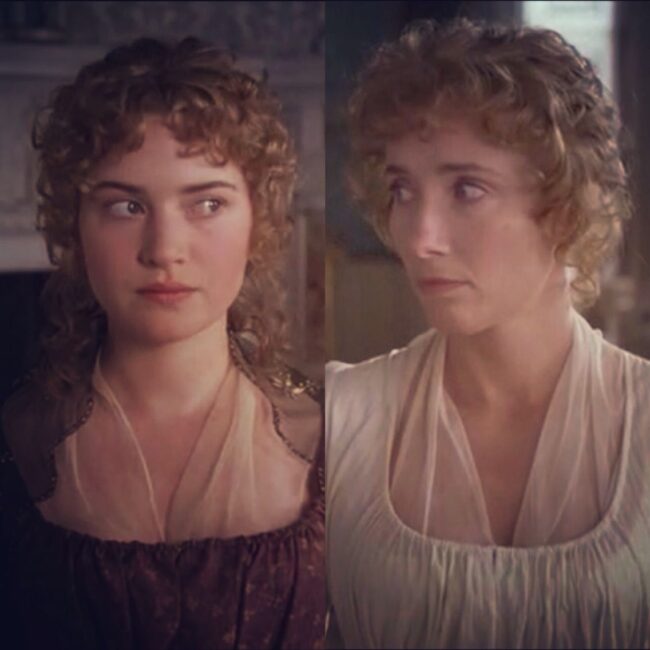
If Jane could have studied the social sciences, would she?
Probably.
I took my first Psychology class in high school because, at the time, I thought I wanted to be an actress, and I figured learning about Psychology would help me understand my characters.
Obviously, I ended up not pursuing a career on the stage, but understanding Psychology has been just as helpful in my writing career. Not to mention my marketing career.
Of course the field of Psychology didn’t exist in Jane Austen’s lifetime, but if it had, would she have studied it?
Probably not, given the fact that, to the extent women were educated, they were very rarely taught anything about science. Music, art, languages, history, and geography? Sure.
Science? Not so much.
But I like to think Jane would have taken advantage of her father’s extensive library, not only for the novels she admitted she adored, but to learn about the human mind.
I got this book by Wendy Jones from my mom’s collection of Jane Austen-related books shortly after she died. The full title is, Jane on the Brain: Exploring the Science of Social Intelligence with Jane Austen. So, of course I saw it was right up my alley and grabbed it.
It is definitely right up my alley, but I wonder what made my mom buy it, other than the fact that it had “Jane Austen” in the title. My mom never demonstrated more than a passing interest in Psychology, and this book dives pretty deep into the neuroscience of it all.
The author has a background in both psychotherapy and English literature, so this is not pop psychology she’s applying to the works of our beloved Jane Austen. And, even though I have a B.A. in Psychology, I still found myself struggling with some of the more technical aspects of this book. I was always more drawn to the behavioral side of Psychology and figuring out what people would do in certain situations, etc.
I did find it fascinating to watch Jones apply all the different psychological concepts to Austen’s characters and diagnose them with various disorders and make educated guesses about how they were raised, how that led to their attachment style, and how that led to the way they behaved in the book.
Overall, I found her psychological assessment of each of Austen’s characters fascinating, and I do agree most (although not all) of them could be backed up by evidence from the novels themselves.
The one I disagreed with most strongly was her diagnosis of Lady Susan with Bipolar Personality Disorder.
Absolutely not. That woman is a sociopath through and through. She doesn’t obsess over making people like her because she needs, on an emotional level, to be liked. She does it because she needs certain people to like her so she can survive financially. Once someone proves they are no longer useful to her, she has no qualms about bidding them goodbye forever and laughing in their face.
I also saw someone else take issue with Jones’s assertion that Emma is Austen’s most romantic hero. The reviewer argued that Emma is the least romantic, which I’m more prone to agree with.
That being said, I still found it fascinating to read Jones’s account of Emma as a romantic heroine, especially right after having read Jane Austen, The Secret Radical by Helena Kelly, which lays out all the ways in which Emma’s story is, not only not romantic, but downright creepy at times.
Kelly provides evidence that Mr. Knightly is fencing off his land so poor people can’t access, even the parts of it he’s not using, leaving them to starve. He plots to expand his lands, not for the good of his tenants, but to increase his own wealth and influence.
Jones really wants to believe that Mr. Knightly is a good steward of his land and property who looks out for the interests of his tenants.
It makes me think her assessment is based less on evidence from the books and more on the hero she fell for hardest as a teenager. We’re all guilty of it.
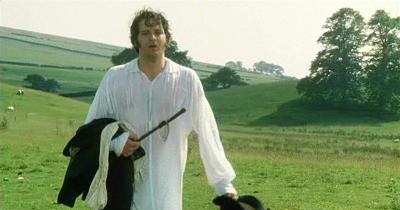
Overall, I still really liked this book. I don’t know if my mom would have (especially since she never liked Emma) but I’m really glad I got to read it.